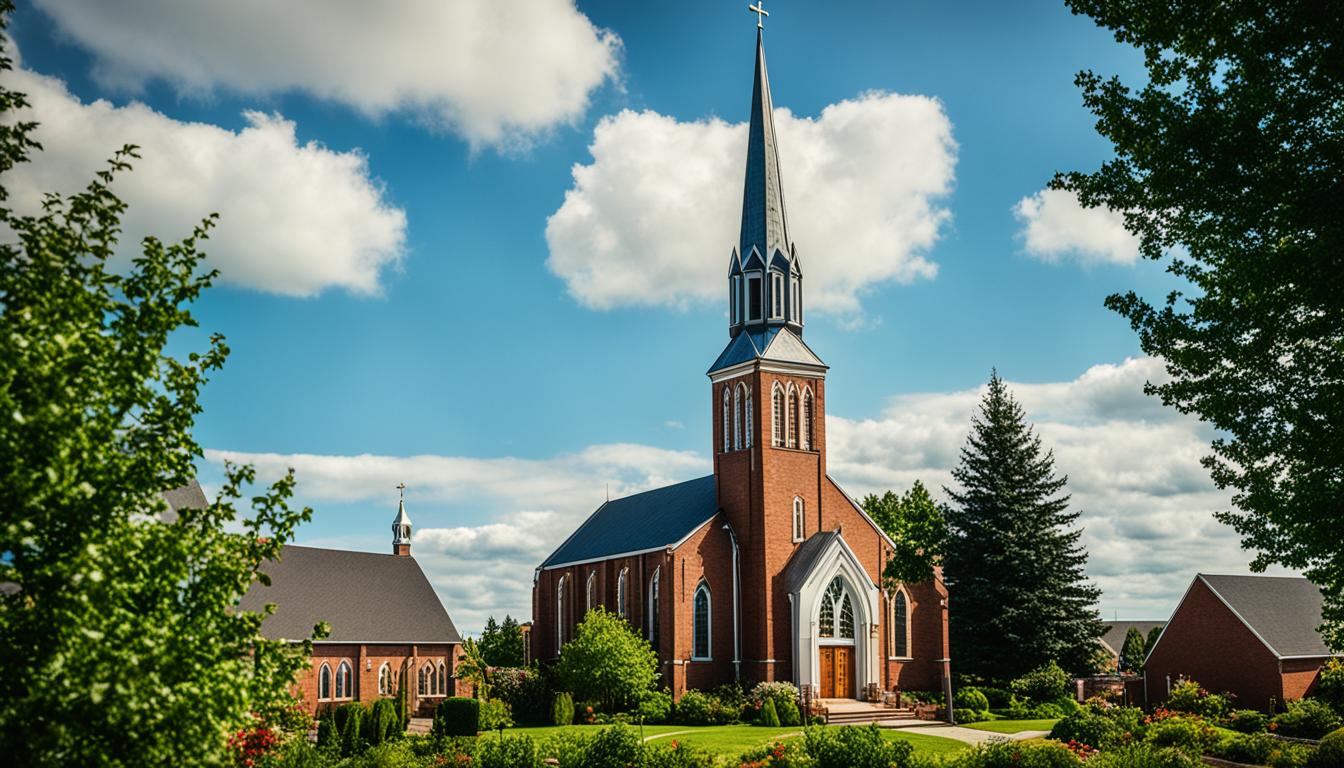
Welcome to your essential guide on how to start a church. Whether you are a seasoned nonprofit professional or someone with no prior experience in starting an organization, this comprehensive guide is designed to provide you with the necessary steps and insights to successfully establish and launch a church. From understanding the reasons behind starting a church to navigating legal requirements and establishing a solid foundation, we will walk you through the key aspects of church planting and help you fulfill your mission of serving your community.
Key Takeaways:
- Starting a church requires careful planning and organization.
- Understanding the reasons behind starting a church is crucial.
- Complying with legal requirements and obtaining tax-exempt status is essential.
- Church planting involves establishing new churches to spread the gospel.
- Following a step-by-step guide can help you start a church successfully.
Why Start a Church?
Before embarking on the journey of starting a church, it is crucial to understand the reasons behind your decision. Starting a church allows you to reach out to individuals who may not be currently reached by the gospel and to revitalize a community that may be in need of spiritual growth.
Justification for starting a church lies in the impact it can have in the community. By establishing a church, you have the opportunity to create a space where people can come together, find solace, and experience a sense of belonging. Churches play a vital role in offering support, fostering community engagement, and providing a source of guidance and hope.
Reaching unchurched individuals is another significant reason to start a church. There are countless people who have yet to encounter the teachings of Christianity, and by establishing a church, you can bring the message of faith to those who may be seeking spiritual fulfillment. Starting a church is an avenue through which you can introduce the transformative power of the gospel to a wider audience.
Moreover, ecclesiastical revitalization is a critical aspect of starting a church. Communities may suffer from spiritual apathy or lack of access to religious resources. By starting a church, you have the opportunity to breathe new life into these communities, igniting a sense of purpose and renewal.
“Starting a church implies a commitment to fostering spiritual growth, providing a support system, and making a positive impact on individuals and their communities.” – [Author Name]
By answering specific questions about your intentions and considering the needs of your target community, you can determine if starting a church is the right move for you. Reflect on the why behind your desire to start a church and consider the profound impact it can have on the lives of those you aim to serve.
How Does the IRS Define a Church?
The Internal Revenue Service (IRS) plays a crucial role in determining the legal status and tax-exemption of churches. While the IRS does not explicitly define the term “church,” they have outlined specific characteristics that churches typically possess. Understanding these definitions and requirements is essential when starting a church and seeking 501(c)(3) status for tax-exemption.
IRS Characteristics of a Church
- Distinct Legal Existence: A church must have a legally recognized structure and operate as a separate entity.
- Recognized Form of Worship: The IRS recognizes various forms of worship, including religious ceremonies, rituals, and practices.
- Regular Congregations: A church should have an established group of individuals who join together regularly for religious services and activities.
- Ordained Ministers: Having ordained ministers who perform religious ceremonies and provide spiritual guidance is a characteristic of a church.
- Religious History: Churches often have a history of religious traditions, beliefs, or doctrines that define their core beliefs.
- Doctrinal Statement or Creed: A church typically has a statement of faith or creed that outlines its beliefs and teachings.
- Religious Services and Rituals: Churches conduct services, ceremonies, sacraments, or rituals that are consistent with their religious beliefs.
- Places of Worship: Churches usually have physical locations, such as church buildings, where religious services are held.
- Spiritual Guidance: Providing spiritual guidance and counseling to members is an integral part of a church’s role.
- Religious Education: Churches often offer religious education programs or Sunday schools to provide instruction in their beliefs and teachings.
- Organized Financial Support: Churches typically rely on financial contributions from members to support their operations and ministries.
- Charitable Activities: Engaging in charitable activities, such as supporting the community or providing assistance to those in need, is common for churches.
- Exempt Purpose and Activities: A church’s primary purpose and activities should be focused on religious worship, instruction, and spiritual growth.
- Membership: Having a recognized membership structure allows churches to define their community of believers.
Meeting these characteristics is crucial when establishing a church and pursuing tax-exemption. Obtaining 501(c)(3) status offers numerous advantages, including the ability for your church donors to claim tax deductions for their contributions. By adhering to the IRS definition and fulfilling the legal requirements, you can ensure that your church operates within the boundaries of the law and supports its community through its religious activities and charitable endeavors.
What is “Church Planting”?
Church planting refers to the process of establishing new churches with the goal of spreading the gospel and reaching more individuals. It involves activities such as training church leaders, organizing a congregation, and finding a physical location for worship. The term “church planting” is often used interchangeably with “starting a church,” as both involve similar steps and objectives.
How to Start a Church: A Step-by-Step Guide
Starting a church requires careful planning and execution. In this step-by-step guide, we will walk you through the essential steps to start a church successfully. By following these steps, you can approach the process of starting a church with confidence and efficiency.
Step 1: Decide on the Basics
Before diving into the details of starting a church, it is essential to decide on the basics. Determine your church’s mission, goals, and values. Establish a leadership structure and select a denomination. Choose a name for your church and develop a recognizable brand. These decisions will form the foundation of your church’s identity and image.
Step 2: Write Your Bylaws
Bylaws serve as a guide to how your church will be organized and operated. They outline the fundamental aspects of your church, including its purpose, governance, and decision-making processes. Writing comprehensive and legally sound bylaws is crucial for legal compliance and demonstrating your church’s adherence to the requirements for tax-exempt status.
Step 3: Get an Employer Identification Number (EIN)
An Employer Identification Number (EIN) is necessary for various aspects of starting a church, including opening a bank account and filing taxes. The application process is straightforward and involves providing basic information about your church. Having an EIN allows your church to operate as a distinct entity and facilitates financial transactions.
Step 4: Open a Bank Account for Your Church
Opening a bank account specifically for your church is essential for handling its finances efficiently and transparently. A designated bank account allows you to manage church donations, pay expenses, and track financial activities. Choose a bank that aligns with your church’s financial needs and provides the services you require.
Step 5: Establish Non-Profit and Tax-Exempt Status
While churches are automatically considered non-profit entities and tax-exempt, applying for official 501(c)(3) status offers several advantages. It allows donors to claim tax deductions for their contributions to your church. To apply for 501(c)(3) status, complete Form 1023 and provide financial information and supporting documents. Obtaining non-profit and tax-exempt status enhances your church’s legitimacy and reputation.
| Step | Description |
|---|---|
| 1 | Decide on the basics, including mission, goals, values, leadership structure, denomination, name, and brand. |
| 2 | Write comprehensive and legally sound bylaws to guide your church’s organization and operation. |
| 3 | Obtain an EIN to enable financial transactions and establish your church as a distinct entity. |
| 4 | Open a dedicated bank account for your church to efficiently manage finances and track financial activities. |
| 5 | Apply for non-profit and tax-exempt status to enhance your church’s legitimacy and enable donors to claim tax deductions. |
Decide on the Basics
Before diving into the details of starting a church, it is essential to decide on the basics. This includes determining your church’s mission, goals, and values, as well as establishing a leadership structure and selecting a denomination. Additionally, choosing a name for your church and developing a recognizable brand will help create a strong foundation for your church’s identity and image.
Define Your Church’s Mission and Goals
Take the time to carefully articulate your church’s mission and goals. What is the overarching purpose of your church? What specific objectives do you want to achieve? Understanding and clearly defining your mission and goals will guide all aspects of your church’s activities and decision-making processes.
Establish a Leadership Structure
An effective leadership structure is vital for the smooth operation of your church. Define the roles and responsibilities of key leadership positions such as pastors, elders, deacons, and administrative staff. Establish clear lines of authority and communication to ensure efficient decision-making and the successful execution of your church’s vision.
Select a Denomination
Choosing a denomination aligns your church with a particular theological tradition, providing a framework for worship and belief. Research various denominations and their theological positions to find one that aligns with your church’s values and beliefs. Consider the support and resources offered by the denomination, as well as any potential affiliation requirements.
Choose a Name and Develop Your Church’s Brand
Your church’s name and brand are crucial for creating a strong identity and attracting members. Select a name that reflects your church’s mission and values while being easy to remember and pronounce. Once you have chosen a name, develop a brand identity that includes a logo, color scheme, and consistent visual elements that represent your church’s unique character.
| Decision Points | Considerations |
|---|---|
| Church Mission and Goals | Clearly articulate the purpose and objectives of your church to guide decision-making. |
| Leadership Structure | Define roles and responsibilities, establish lines of authority and communication. |
| Denomination | Research theological positions, support, and affiliation requirements. |
| Church Name and Brand | Choose a name that reflects your church’s identity and develop a consistent brand image. |
Write Your Bylaws
Bylaws play a crucial role in organizing and operating your church. They serve as a comprehensive guide, outlining the fundamental aspects that define your church’s purpose, governance, and decision-making processes. Writing your church bylaws is not only essential for legal compliance but also demonstrates your commitment to meeting the requirements for 501(c)(3) tax-exempt status.
When drafting your church bylaws, it is advisable to utilize templates and samples available online. These resources can assist you in creating comprehensive and legally sound bylaws that align with your church’s specific needs and mission. Remember that your bylaws should reflect the unique identity of your church while ensuring adherence to legal requirements.
Key Elements of Church Bylaws
While the content of church bylaws may vary, there are several essential elements to include:
- Mission and Purpose: Clearly define the mission and purpose of your church, emphasizing its spiritual goals and the services it aims to provide to its congregation and community.
- Governance Structure: Outline the leadership framework, specifying the roles and responsibilities of pastors, elders, deacons, and other church leaders.
- Membership Requirements: Describe the criteria for church membership, including expectations, rights, and responsibilities.
- Decision-Making Processes: Establish the procedures for decision-making within the church, including voting rights, meeting protocols, and the responsibilities of various church entities.
- Financial Policies: Detail the financial procedures, including budgeting, fundraising, handling of church assets, and accountability measures.
- Amendment Process: Explain how the bylaws can be amended or modified, ensuring a transparent and democratic approach to making changes.
These key elements provide a solid foundation for your church’s governance and operations, giving clarity and direction to its activities. Remember to review and update your bylaws periodically to ensure they align with any changes in your church’s structure or operations.
Benefits of Well-Written Church Bylaws
Having well-written and comprehensive church bylaws offers several advantages:
- Legal Compliance: By adhering to legal requirements, your church demonstrates its commitment to ethical and responsible practices.
- Guidance and Clarity: Clear bylaws provide a framework for decision-making, conflict resolution, and overall governance, ensuring consistency and fairness.
- Transparency and Accountability: Well-defined processes increase transparency, enabling members to understand and participate in the church’s operations, and fostering accountability among leaders.
- Nonprofit and Tax-Exempt Status: Properly drafted bylaws are crucial when applying for and maintaining the church’s tax-exempt status, allowing donors to claim tax deductions for their contributions.
Ensure that your church bylaws are readily accessible to all members and regularly communicated to the congregation. This helps to build trust, foster cooperation, and maintain unity within your church community.
| Advantages of Well-Written Church Bylaws |
|---|
| Legal Compliance |
| Guidance and Clarity |
| Transparency and Accountability |
| Nonprofit and Tax-Exempt Status |
Writing your church bylaws is a crucial step in establishing a solid foundation for your church’s operations, governance, and compliance with legal requirements. Utilize available resources, consult legal professionals, and involve key stakeholders to ensure that your bylaws accurately reflect your church’s values, mission, and obligations. With well-crafted bylaws, your church can move forward with confidence, focusing on its spiritual journey and making a positive impact in your community.

Get an Employer Identification Number (EIN)
An Employer Identification Number (EIN) is a unique identification number assigned by the IRS to organizations for tax purposes. Obtaining an EIN is a necessary step when starting a church as it allows you to operate as a distinct entity and enables various financial transactions.
The application process for an EIN is straightforward and involves providing basic information about your church, such as its name and address. Once you have obtained an EIN, you can use it for various purposes, including:
- Opening a bank account specifically for your church
- Applying for tax-exempt status
- Filing taxes
- Conducting financial transactions for your church
Having an EIN not only establishes your church’s legal identity but also ensures compliance with tax regulations and facilitates financial management.
Steps to Obtain an EIN for Your Church:
- Visit the IRS website or call their toll-free number to apply for an EIN.
- Complete the online application or fill out Form SS-4 if applying by mail or fax.
- Provide accurate and detailed information about your church, including its legal name, address, and purpose.
- Submit the application and wait for your EIN to be assigned, usually within a few business days.
Once you receive your EIN, make sure to keep it handy as you will need to provide it for various administrative and financial purposes related to your church.
Open a Bank Account for Your Church
When starting a church, opening a designated bank account is a crucial step in managing your finances efficiently and transparently. A separate church bank account allows you to handle donations, pay expenses, and track all financial transactions related to your church.
When choosing a bank for your church account, consider several factors that can impact your church’s financial operations. Compare the fees associated with maintaining the account, including transaction fees and monthly service charges. Assess the services offered by each bank, such as online banking, mobile apps, and customer support.
Additionally, evaluate the compatibility of the bank’s offerings with your church’s unique financial needs. Some banks may provide specialized services for non-profit organizations or churches, making them better suited to handle your specific requirements.
Having a designated bank account for your church not only establishes a solid financial foundation but also enables you to maintain transparency and accountability in managing your resources. It allows you to effectively monitor your income and expenses, providing a clear financial picture for your church’s stakeholders.
Opening a bank account for your church is a critical step in building a strong financial infrastructure. It promotes fiscal responsibility and helps you demonstrate transparency in your church’s financial management. By choosing the right bank and diligently managing your church’s finances, you can establish a solid foundation for your church’s financial stability and support its mission and growth.
Establish Non-Profit and Tax-Exempt Status
While churches are automatically considered non-profit entities and are tax-exempt, applying for official 501(c)(3) status offers several advantages, including allowing donors to claim tax deductions for their contributions to your church. To apply for 501(c)(3) status, you need to complete Form 1023, which requires providing financial information, proving eligibility, and submitting supporting documents such as your church’s bylaws and Articles of Incorporation. Obtaining non-profit and tax-exempt status demonstrates the legitimacy and compliance of your church and enhances its reputation.
Benefits of Becoming a Non-Profit Organization
By obtaining non-profit status, your church can enjoy the following benefits:
- Tax advantages: Non-profit status allows your church to be exempt from federal, state, and local income taxes. This means that the funds you receive from donations, fundraising events, and other sources can be utilized for the betterment of your church and its mission.
- Financial transparency: Non-profit organizations are required to maintain transparency in their financial operations. This helps build trust with donors, members, and the community, as they can easily access and review your church’s financial reports and statements.
- Access to grants and funding: Many foundations, corporations, and government agencies provide grants and funding opportunities exclusively to non-profit organizations. By obtaining non-profit status, your church becomes eligible to apply for such grants, which can further support your church’s programs and initiatives.
Applying for 501(c)(3) Status
To apply for 501(c)(3) status for your church, follow these steps:
- Gather all necessary documents: Before starting the application process, ensure you have your church’s financial records, bylaws, and Articles of Incorporation readily available.
- Complete Form 1023: Form 1023 is the application form for tax exemption under section 501(c)(3). It requires detailed information about your church’s activities, governance, finances, and purposes. The form must be completed accurately and submitted along with the required supporting documentation.
- Submit the application: Once you have filled out Form 1023 and gathered all the necessary documents, submit the application to the Internal Revenue Service (IRS) along with the required filing fee.
- Wait for approval: The IRS will review your application and may request additional information or documentation if needed. It typically takes several months for the IRS to process the application and make a determination.
- Receive determination letter: If your application is approved, you will receive a determination letter from the IRS stating that your church has been granted tax-exempt status under section 501(c)(3).
Obtaining non-profit and tax-exempt status solidifies your church’s legal standing, establishes financial benefits, and strengthens accountability. It also enhances your church’s credibility and allows you to focus on fulfilling your mission and serving your community.

Tips for an Easy Church Startup
Starting a church can be a challenging process, but with the right strategies and support, you can ensure a successful church startup. Here are some valuable tips to guide you:
- Build a Strong Launch Team: Assemble a dedicated group of individuals who share your vision and are committed to helping you establish the church. This team will play a crucial role in the early stages of your church startup.
- Establish a Clear Vision and Mission: Define the purpose and goals of your church. Having a clear vision and mission statement will guide your decisions and help you communicate your purpose to potential members and the community.
- Utilize Technology and Online Tools: Embrace modern technology to reach a wider audience and streamline church operations. Utilize online platforms for communication, event management, and online giving to enhance engagement and interaction.
- Consider Affiliation with a Church Planting Network or Denomination: Aligning with a church planting network or denomination can provide valuable resources, support, and networking opportunities to aid in your church’s growth and development.
“Remember, starting a church requires dedication, patience, and a servant heart. Stay focused on your mission and adapt to changing circumstances along the way.”
By following these tips, you can navigate the complexities of starting a church and create a solid foundation for its growth and impact.
| Tips for an Easy Church Startup | SEO Keywords |
|---|---|
| Build a Strong Launch Team | tips for starting a church |
| Establish a Clear Vision and Mission | church startup success |
| Utilize Technology and Online Tools | growing a church |
| Consider Affiliation with a Church Planting Network or Denomination | church planting network |
Handling Church Finances
Proper management of church finances is crucial for maintaining financial transparency and accountability. By implementing effective strategies and utilizing technology, your church can efficiently handle its finances, ensuring accurate financial reporting and compliance with legal requirements.
Financial Transparency:
Transparency is essential in managing church finances. It builds trust among your congregation and allows them to see how their donations are being used. By providing clear and concise financial reports, you can demonstrate your commitment to financial transparency.
Church Donation Platforms:
Using dedicated church donation platforms can streamline the process of collecting and managing donations. These platforms offer features such as recurring donations, online payment options, and automated donation tracking. Popular church donation platforms include:
- Tithe.ly
- Pushpay
- EasyTithe
| Church Donation Platforms | Key Features |
|---|---|
| Tithe.ly | Recurring donations, online giving, customizable giving options |
| Pushpay | Mobile giving, integrated church app, donor management |
| EasyTithe | Text giving, event registration, custom reporting |
Financial Reporting:
Accurate financial reporting is essential for tracking and managing your church’s financial activities. It provides a clear picture of your income, expenses, and overall financial health. Utilizing financial reporting software or tools can help simplify this process, making it easier to generate comprehensive financial reports.
Implementing a Robust Financial Management System:
Establishing a robust financial management system is crucial for effectively managing church finances. This system should include processes for budgeting, expense tracking, and financial planning. You can utilize financial management software tailored for churches to streamline these tasks and ensure accuracy.
Maximizing the Impact of Your Ministry:
Efficiently managing church finances allows you to maximize the impact of your ministry. By maintaining financial transparency, utilizing donation platforms, and implementing a comprehensive financial management system, you can ensure that your church’s financial resources are utilized effectively to support your mission and serve your community.
| Church Donation Platforms | Key Features |
| ————————- | —————————————— |
| Tithe.ly | Recurring donations, online giving, customizable giving options |
| Pushpay | Mobile giving, integrated church app, donor management |
| EasyTithe | Text giving, event registration, custom reporting |
Conclusion
Starting a church is a significant undertaking that requires careful planning, organization, and adherence to legal requirements. By following the essential steps outlined in this guide and seeking professional assistance when necessary, you can successfully establish a church that fulfills its mission, serves its community, and creates a positive impact.
Throughout the startup process and beyond, it is crucial to remain focused on your church’s purpose and values. Constantly seek ways to grow and improve as a church community, and embrace opportunities for learning and development. Remember, starting a church is not only about creating a place of worship but also about nurturing a welcoming and inclusive environment that fosters spiritual growth and supports individuals on their faith journey.
Starting a church requires dedication, commitment, and the willingness to adapt to changing circumstances. As you embark on this journey, surround yourself with a supportive team and seek guidance from experienced individuals or organizations in the field. By doing so, you can leverage their knowledge and insights to overcome challenges, make informed decisions, and ensure the long-term success of your church.
FAQ
Why should I start a church?
How does the IRS define a church?
What is church planting?
What are the essential steps to start a church?
How do I decide on the basics for my church?
What are church bylaws?
How do I get an Employer Identification Number (EIN) for my church?
Why should I open a bank account for my church?
How do I establish non-profit and tax-exempt status for my church?
What are some tips for an easy church startup?
How can I handle church finances effectively?
Any final thoughts on starting a church?

Hi! I’m David! Check my blog website! 🙂