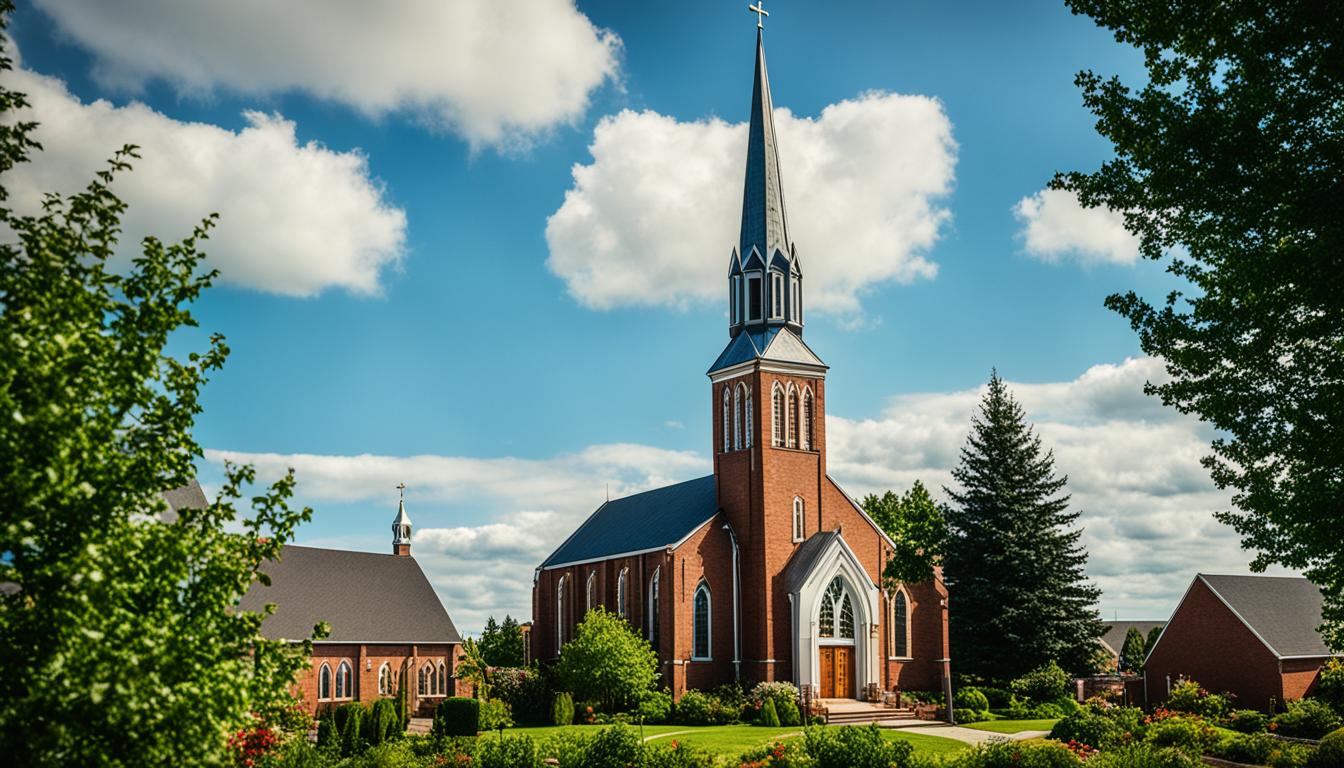
When you attend a church service, you may wonder how long it will last. The duration of a church service can vary depending on several factors, including the length of the sermon, the type of worship and praise songs, the inclusion of greetings and interactions, the time for offerings and Communion, and more. In this article, we will explore these factors and explain why church service lengths can differ.
Key Takeaways:
- The average length of a sermon is 30 minutes, and the average length of a church service is 75 minutes.
- Sermon length can range from 20 to 45 minutes, and church service length can range from 30 to 150 minutes.
- Factors influencing church service duration include the preacher’s style, worship and praise songs, greetings and interactions, offerings and Communion, and the overall flow of the service.
- The duration of worship and praise songs is typically around 20 to 30 minutes.
- The inclusion of greetings and interactions promotes a sense of community among worshipers.
Factors Influencing Church Service Duration
When it comes to the length of a church service, several factors come into play. These factors can vary from one church to another, influencing the overall duration and experience. Let’s explore some of the key factors that can affect the length of church services.
The Preacher’s Style and Sermon Length
One of the primary factors influencing the duration of a church service is the preacher’s style and the length of their sermon. Some preachers are known for delivering concise and focused messages, while others may engage in more elaborate storytelling or deep theological discussions. The length of the sermon itself can vary, ranging anywhere from 20 minutes to 45 minutes or more.
Type of Worship and Praise Songs
The type of worship and praise songs included in a church service can also impact its duration. Different churches have their own unique worship styles, which may vary from traditional hymns to contemporary Christian music. The number of songs and the time spent in worship can influence the overall length of the service.
Greetings and Interactions Among Worshipers
Churches that prioritize community and fellowship often allocate time for greetings and interactions among worshipers. This can involve welcoming newcomers, exchanging greetings, and fostering a sense of unity among the congregation. The duration of this interaction time can vary, depending on the size of the congregation and the level of individual engagement.
Inclusion of Offerings and Communion
Church services often include moments dedicated to offerings and Communion. The collection of offerings and the administration of Communion can add to the overall duration of the service. The specific practices and rituals associated with these elements can vary among different denominations and churches.
Overall Flow and Structure of the Service
The overall flow and structure of the church service play a significant role in determining its length. Some churches follow a structured format with distinct segments, such as worship, sermon, response time, and closing remarks. The duration allocated to each segment can affect the overall length of the service.
Cultural and Denominational Differences
Lastly, cultural and denominational differences can also influence the length of church services. Different cultures and denominations may have unique traditions and practices that shape the rhythm and duration of worship. For example, certain ethnic or international churches may incorporate cultural elements into their services, which can contribute to a longer duration.
Overall, various factors interact to determine the length of a church service. It’s important for church leaders to consider these factors when planning and organizing services, ensuring a balance between meaningful worship and respecting the preferences and attention spans of the congregation.
Key Factors Influencing Church Service Duration:
- The preacher’s style and sermon length
- The type of worship and praise songs
- Greetings and interactions among worshipers
- Inclusion of offerings and Communion
- Overall flow and structure of the service
- Cultural and denominational differences
Worship and Praise Songs
Most church services begin with a time of praise and singing worship songs. This essential part of the service sets the tone for worship and prepares the congregation to engage with God. Worship and praise songs in church serve as a means to exalt God and express love, gratitude, and thankfulness.
Worship songs can vary in length, typically lasting around 20 to 30 minutes. However, the duration may differ depending on the specific church and its worship style. Different churches embrace diverse musical traditions, including traditional hymns, contemporary Christian songs, or a fusion of both. The choice of worship songs is often geared toward creating an atmosphere of adoration and fostering a connection with God.
During the worship time, congregants actively participate by singing, raising their hands, or engaging in personal worship and reflection. This musical segment of the church service encourages unity, deepens spiritual connection, and allows individuals to express their faith through joyful and reverent music.
Indeed, worship and praise songs form a pivotal part of the worship experience, leading believers into a space of devotion, awe, and encountering the presence of God.
Examples of Worship Songs:
| Song Title | Artist | Genre |
|---|---|---|
| Oceans (Where Feet May Fail) | Hillsong United | Contemporary Christian |
| How Great Thou Art | Carl Gustav Boberg | Traditional Hymn |
| Reckless Love | Cory Asbury | Contemporary Christian |
| Amazing Grace | John Newton | Traditional Hymn |
| What A Beautiful Name | Hillsong Worship | Contemporary Christian |
Greetings and Interactions
During a church service, one of the key elements is the time for greetings and interactions among worshipers. This is a special moment when members of the congregation have the opportunity to connect with each other, fostering a sense of community and welcoming.
Church greetings can take various forms depending on the traditions and culture of the church. It can be a short period where you greet the people seated close to you, exchanging kind words and warm smiles. Alternatively, it may involve a more extended time where members are encouraged to walk around and engage in conversations with fellow worshipers.
This time for interaction serves as a reminder of the importance of building relationships within the church community. It allows individuals to connect on a deeper level, not only sharing their joys and triumphs but also supporting one another through challenging times.
These greetings and interactions can contribute to a positive and uplifting atmosphere during the church service. They create an environment where worshipers feel valued, accepted, and loved, promoting a sense of belonging within the church family.
“Church greetings and interactions are essential for fostering a sense of community and creating a welcoming atmosphere for all worshipers.”
“During this special time, take the opportunity to reach out to others, introducing yourself and extending a warm welcome to newcomers.”
Regardless of the specific format, the purpose of church greetings and interactions remains the same—to facilitate connections and strengthen the bonds among worshipers. It cultivates an environment where individuals feel supported, encouraged, and cared for, ultimately enhancing the worship experience for everyone involved.
To illustrate the importance of greetings and interactions in a church service, consider the following table:
| Benefits of Church Greetings and Interactions | Examples |
|---|---|
| Promoting a sense of community | Engaging in conversations, sharing personal stories |
| Cultivating a welcoming environment | Greeting newcomers, making them feel at ease |
| Bolstering relationships | Making connections with fellow worshipers, checking in on one another |
| Encouraging support and empathy | Offering words of encouragement, listening, and praying for one another |
As you can see, church greetings and interactions provide numerous benefits, from fostering a sense of community to nurturing relationships and offering support to one another.
Overall, the time dedicated to greetings and interactions is an integral part of the worship experience. It helps to create a warm and inclusive atmosphere, reminding us of the importance of connecting with our fellow worshipers as we come together to honor and praise God.
Offerings and Tithes
During a church service, there is a designated time for worshipers to give their offerings and tithes. This important practice allows individuals to contribute financially to support the church’s mission and ministries. The specific method of collecting offerings may vary from one church to another, but it is typically a brief and organized process. It is important to note that offerings and tithes should be given willingly and with a cheerful heart, as emphasized in biblical teachings.
Various methods are employed to collect offerings, depending on the church’s traditions and preferences. Some common practices include passing around an offering plate or basket, asking worshipers to bring their offerings forward to the altar, or providing designated offering boxes. These methods provide worshipers with the opportunity to give their offerings discreetly and according to their means.
Additionally, the church may provide written information, such as bulletins or screens, indicating where offering boxes are located. This helps ensure that worshippers can easily locate the appropriate place to make their offerings.
Importance of Offerings and Tithes
Offerings and tithes play a vital role in sustaining the church’s activities and supporting its mission. They are used to fund various aspects of the church’s operations, including but not limited to:
- Staff salaries and benefits
- Maintenance and upkeep of church facilities
- Missionary work and outreach programs
- Community services and charitable initiatives
- Supporting the less fortunate within the congregation
By giving their offerings and tithes, worshipers actively participate in the growth and expansion of their faith community. It is a way to express gratitude to God for His blessings and to contribute to the work of the church.
“Each of you should give what you have decided in your heart to give, not reluctantly or under compulsion, for God loves a cheerful giver.” – 2 Corinthians 9:7
Communion
In many Christian churches, Communion holds a significant place in the worship service. This sacrament, also known as the Eucharist or the Lord’s Supper, represents the sharing of bread and wine, symbolizing the body and blood of Jesus Christ, respectively.
Communion is a time of reflection, remembrance, and unity among believers. The frequency of observing Communion can vary among different churches. Some churches offer Communion every Sunday as an integral part of their worship service, while others partake in it less frequently, such as once a month or on special occasions.
The timing of Communion within the church service can also differ. It can be done just before, after, or even during the message. The specific length of the Communion portion of the service can vary depending on the church’s traditions and the order of worship.
During Communion, participants typically gather around a common table, where the bread and wine (or grape juice) are consecrated and distributed. Some churches use a common cup, while others use individual cups. Worshipers may come forward to the front of the church, or the elements may be passed along the pews. The exact method of distribution can vary, but the purpose remains the same: to remember Christ’s sacrifice and to partake of His body and blood.
Benefits of Communion
Partaking in Communion offers several benefits to believers:
- Spiritual Nourishment: Communion provides a means of spiritual sustenance, reminding believers of their union with Christ and His redemptive work.
- Unity and Fellowship: Communion serves as a symbol of the unity and fellowship among believers, transcending social and cultural boundaries.
- Reflection and Examination: Communion invites individuals to reflect on their relationship with God and examine their hearts, confessing and repenting of any sins.
- Anticipation of Christ’s Return: Communion serves as a reminder of the future hope and anticipation of Christ’s second coming, as Jesus Himself declared, “I tell you, I will not drink from this fruit of the vine from now on until that day when I drink it new with you in my Father’s kingdom” (Matthew 26:29).
Overall, Communion holds great significance in the life of the church and offers believers a tangible expression of their faith and unity in Christ.
Sermon or Message
A significant portion of the church service is dedicated to the pronouncement of the Word of God through a sermon or message. The length of the sermon can vary depending on the preacher and the church’s traditions. On average, sermons range from 20 to 45 minutes, but they can be shorter or longer, depending on the preacher’s style and the congregation’s preferences.
In a church service, the sermon serves as an opportunity for the preacher to teach, inspire, and challenge the congregation. It is a time for biblical teachings and practical applications to be shared, helping listeners deepen their understanding of faith and guiding them in their spiritual journeys.
Sermon style also plays a crucial role in determining the duration and impact of the message. Different preachers have distinct ways of delivering their sermons, incorporating storytelling, personal anecdotes, biblical exegesis, or a combination of these approaches. Some preachers may employ a more interactive style, engaging the congregation through rhetorical questions, call-and-response, or moments of reflection.
“The sermon is the centerpiece of the church service. It provides an opportunity for the preacher to communicate God’s truth and inspire the congregation.” – Reverend James Thompson
By tailoring the sermon style to the needs and preferences of the congregation, preachers can effectively engage listeners and create a meaningful worship experience. A well-crafted sermon can capture attention, evoke emotions, spark contemplation, and ultimately lead to personal transformation.
The duration of the sermon is carefully considered to strike a balance between providing substantial teaching and respecting the congregation’s attention span. It is crucial that preachers deliver a message that is clear, concise, and impactful, ensuring that listeners can absorb and reflect on the content effectively.

Altar Call or Response Time
During a church service, one of the significant moments is the altar call or response time. This is a time where the congregation has the opportunity to actively engage with the message and make a personal commitment or response to it.
Whether it’s a powerful sermon, a call to accept Jesus Christ as Lord and Savior, or a challenge to make a commitment to change, the altar call provides a space for individuals to publicly declare their decisions and seek spiritual renewal.
During the altar call, worshipers can respond in various ways to convey their commitment to change and their desire to deepen their relationship with God. Some choose to raise their hands as a sign of surrender and submission, while others may come forward to the altar to pray or receive individual ministry and guidance.
Alternatively, worshipers can also express their response silently, deep in prayer and reflection within the sanctuary. The altar call serves as a time of personal connection with God and an opportunity for individuals to make a decision that can transform their lives.
As the congregation responds to the message, the atmosphere is filled with a sense of unity, hope, and anticipation for the work God is doing in the hearts of His people. This sacred moment is a testament to the power of the Word and the transformative effect it has on lives.
“The altar call is a divine invitation for us to respond to God’s love and grace, to commit our lives to Him, and to take steps towards lasting change.” – Pastor David Thompson
It is important to note that the altar call is not limited to salvation alone. It can also be a time where individuals rededicate their lives to Christ, seek forgiveness, pray for healing, or express their commitment to a specific area of growth or service in their spiritual journey.
The response time during a church service serves as a powerful reminder that Christianity is not merely a spectator’s faith but a call to active participation. It encourages individuals to engage with the Word, reflect on their spiritual condition, and take steps towards a transformed life.
Benefits of an Altar Call
1. Personal Connection: The altar call allows individuals to connect with God on a deep, personal level, reinforcing their relationship with Him.
2. Public Declaration: By responding publicly, individuals show their commitment to Christ and receive the support and encouragement of the faith community.
3. Renewal and Transformation: The altar call provides an opportunity for spiritual renewal, healing, and transformation in the lives of worshipers.
Example of an Altar Call
Here is an example of how an altar call may be conducted during a church service:
- The pastor delivers a powerful message or invitation, challenging the congregation to make a commitment or respond to the Word.
- Soft worship music starts playing to create a reflective and prayerful atmosphere.
- The pastor invites those who wish to respond to stand, come forward, or raise their hands as a sign of their commitment.
- Worship team members and church leaders are available at the altar to pray with and guide individuals who come forward.
- After a period of prayer and reflection, the pastor leads the congregation in a closing prayer.
The altar call is a significant aspect of a church service, creating a space for worshipers to respond to the message, make commitments, seek spiritual growth, and experience the transformative power of God’s presence.
Prayer Time
Many church services provide opportunities for prayer, allowing worshipers to seek spiritual support and specific needs. Typically, this dedicated time for prayer takes place at the end of the service or even after the service has concluded. During this time, worshipers can approach prayer team members or leaders who are available to offer guidance and intercede on their behalf.
Prayer is an essential component of a worship service, allowing individuals to connect with God on a personal level and surrender their concerns, hopes, and gratitude. It provides a space for reflection, communion, and seeking divine intervention. Whether it’s through silent prayers, communal intercessions, or individual conversations with prayer team members, prayer time offers moments of solace, healing, and reaffirmation of one’s faith.
“Prayer is not asking. It is a longing of the soul. It is daily admission of one’s weakness. It is better, in prayer, to have a heart without words than words without a heart.”
– Mahatma Gandhi
During the prayer time, worshipers have the opportunity to express their concerns, anxieties, and desires to God. This can include seeking guidance for major life decisions, requesting healing for physical or emotional ailments, interceding for loved ones, or simply expressing gratitude for blessings. The duration of the prayer time can vary depending on the church and the specific needs of the congregation.
Example Prayer Requests:
- Prayer for physical healing
- Prayer for financial provision
- Prayer for relational restoration
- Prayer for guidance in career choices
- Prayer for emotional healing and strength
- Prayer for family members or friends facing challenges
- Prayer for spiritual growth and transformation
No matter the duration, prayer time provides a sacred space for individuals to connect with their faith, express their deepest longings, and experience the presence and power of God. It is a time of vulnerability, surrender, and trust, where worshipers can find solace, encouragement, and hope in the midst of life’s joys and struggles.
Remember that prayer is not limited to the designated time during the church service. You can pray anywhere and at any time, as prayer is a powerful way to communicate with God and seek His guidance and intervention in your life.
Next, we will explore the final moments of a typical church service, as worshipers come together for a closing song or prayer before concluding their time of collective worship.
Closing Song or Prayer
As a church service draws to a close, there is a special moment reserved for a closing song or prayer. This final act of worship offers congregants the opportunity to express their devotion, gratitude, and reverence to God before leaving the sacred space.
The closing song holds profound significance, serving as a unifying experience that brings the congregation together one last time. It allows worshipers to join their voices in harmonious melodies, lifting their spirits and hearts as they bid farewell to the collective worship experience.
The choice of the closing song can vary depending on the church’s traditions and the theme of the service. It could be a hymn filled with a sense of triumph and encouragement, or a contemporary worship song that resonates with the congregation’s heartfelt emotions.
Alternatively, some services conclude with a closing prayer. This prayer acts as a final blessing, encompassing the hopes, aspirations, and needs of the worshipers. It invites divine guidance and protection, acknowledging the presence of God even as the congregants prepare to depart.
Whether through a stirring song or a heartfelt prayer, the closing moment of worship delivers a sense of conclusion and peace to those present. It enables individuals to reflect on the profound truths they have encountered during the service and prepares them to carry the essence of worship into their daily lives.

Reflections and Takeaways
“Weaving a closing song or prayer into the fabric of the worship service brings a sense of unity and closure to our time together. It reminds us that our connection with God and each other extends beyond the church walls and into our everyday lives.”
– Reverend Sarah Mitchell, Senior Pastor at Grace Community Church
- The closing song or prayer of a church service provides a final opportunity for worshipers to express their devotion and gratitude.
- The choice of the closing song can vary, ranging from traditional hymns to contemporary worship songs.
- The closing prayer offers a moment of reflection, seeking divine guidance and blessings for the congregation.
- Both the closing song and prayer help create a sense of conclusion and peace as worshipers transition from the sacred space back into their daily lives.
Variations in Church Service Length
The duration of church services can vary significantly due to cultural and denominational differences. Different worship traditions and styles also play a role in influencing the length of services. For example, evangelical Anglican churches may have different service lengths compared to Hispanic or African American Pentecostal churches. It is important for pastors and church leaders to consider their congregation’s preferences and capacity for attention when determining appropriate service lengths.
Cultural and Denominational Differences
Cultural and denominational differences have a significant impact on the duration of church services. Each culture and denomination may have its own unique practices and traditions that shape the length of the service. For instance, in some cultures, church services are known for their exuberant worship and extended preaching, which may result in longer service durations. On the other hand, certain denominations may follow a more structured and concise format, leading to shorter service lengths.
Different Worship Traditions
Worship traditions also contribute to the variations in church service length. Some churches prioritize extended periods of worship, where congregants engage in passionate singing and praise for an extended time. This emphasis on worship can extend the overall duration of the service. Other churches may focus more on the preaching of the Word, devoting a larger portion of the service to the sermon. Churches with a strong emphasis on teaching may have longer sermon durations, resulting in longer overall service lengths.
Meeting Congregation Preferences
Church leaders aim to meet the preferences and needs of their congregation when deciding on service lengths. Factors such as the average attention span of the audience, the demographics of the congregation, and the purpose of the gathering may influence the duration of the service. Some churches opt for shorter services to cater to a busy or easily distracted audience, while others may have longer services to allow for deeper worship and teaching experiences.
Ultimately, the goal of church leaders is to strike a balance between providing a meaningful worship experience and respecting the time constraints and needs of their congregation.
| Factors Influencing Church Service Length | Examples |
|---|---|
| Cultural Differences |
|
| Denominational Differences |
|
| Worship Traditions |
|
| Congregation Preferences |
|
Contemporary Worship Services
In recent years, contemporary worship services have gained popularity in churches worldwide. These services provide a modern and dynamic approach to worship, incorporating contemporary music styles and utilizing technology to enhance the worship experience.
Contemporary worship services often feature modern worship styles, such as Christian rock, pop, or hip-hop. These genres appeal to younger generations and create a lively and engaging atmosphere for worship. With upbeat rhythms, electric guitars, and powerful vocals, contemporary worship songs encourage a sense of celebration and connection with God.
Moreover, technology plays a significant role in contemporary worship services. Churches utilize video projectors to display lyrics and imagery, creating immersive visuals that enhance the worship experience. Additionally, live streaming enables individuals who cannot attend the physical service to participate remotely, fostering inclusivity and accessibility.
Within the structure of a contemporary worship service, several elements are commonly present. The service typically begins with an energetic praise and worship session, where the congregation actively participates by singing along, clapping, and raising their hands in adoration. This time of worship sets the tone and prepares hearts for the sermon.
Following the praise and worship, a sermon is delivered. The sermon in contemporary worship services is often engaging, relatable, and applicable to the lives of the attendees. Pastors and speakers utilize visuals, stories, and relevant examples to convey the message effectively.
Following the sermon, there are opportunities for prayer and response. This can include altar calls, where individuals are invited to come forward and receive prayer, make commitments, or publicly profess their faith. The congregation may also engage in reflective prayer or personal moments of connection with God.
Overall, contemporary worship services provide a vibrant, technology-driven, and participatory worship experience. These services cater to the preferences and cultural context of modern worshippers, fostering a deeper connection with God and a sense of community.
Benefits of Contemporary Worship Services:
- Appeals to a younger demographic, attracting a wider range of worshippers.
- Creates an energetic and uplifting worship atmosphere.
- Utilizes technology to enhance the worship experience.
- Offers inclusivity through live streaming for remote participants.
- Promotes active participation and engagement from the congregation.
“Contemporary worship services bring a fresh and relevant approach to expressing our love and adoration for God. The combination of modern music and technology creates a powerful worship experience that resonates with worshippers of all ages.”
Quaker Meeting for Worship
Quaker worship, also known as a meeting for worship, follows a unique style compared to other Christian denominations. Quakers have both unprogrammed and programmed meetings for worship. Unprogrammed worship is based on silent waiting and listening for the Spirit, while programmed worship includes elements such as sermons and hymns. Quaker worship is centered around communal silence and the sharing of messages as the Spirit moves individuals.
| Quaker Worship | Unprogrammed Worship | Programmed Worship |
|---|---|---|
| Description | Centered around silent waiting and listening for the Spirit | Incorporates structured elements such as sermons and hymns |
| Main Focus | Communal silence and individual messages prompted by the Spirit | Structured worship with planned activities and sermons |
| Expression of Worship | Deep contemplation, meditation, and spontaneous messages | Participation in hymns, sermons, and planned activities |
| Leadership | No designated leaders, anyone may speak as the Spirit moves | Pastors and appointed speakers lead the service |
Quaker worship offers a unique and contemplative approach to Christian worship. The emphasis on communal silence and the promptings of the Spirit allows for a deeply personal and meaningful worship experience. The sharing of messages during unprogrammed worship adds a sense of community and spiritual connection among the worshipers.
Conclusion
The duration of a church service can vary depending on factors such as sermon length, worship style, and the flow of the service. On average, evangelical leaders suggest sermons should be around 30 minutes, and church services should last around 75 minutes. However, there is flexibility in the length of services to accommodate different preferences and cultural contexts.
Ultimately, the focus of a church service is to communicate the gospel clearly and create an atmosphere of worship and community for the congregation. Whether the service is traditional or contemporary, it is a time for believers to come together, express their faith, and seek spiritual nourishment.
While some may prefer shorter services to accommodate busy schedules, others may appreciate the opportunity for extended worship, teaching, and fellowship. It is important for pastors and church leaders to be mindful of their congregation’s needs and preferences when structuring and planning their services.
In conclusion, the length of a church service should not be the sole determinant of its effectiveness or impact. Instead, the focus should be on creating an engaging and meaningful experience that strengthens individuals’ faith and fosters a deep sense of connection with God and fellow worshipers.
FAQ
How long is a typical church service?
How long is a sermon in a church service?
What factors influence the duration of a church service?
How long is the worship and praise song time in a church service?
Is there a time for greetings and interactions during a church service?
When is the offering and tithes collected during a church service?
When is Communion observed during a church service?
How long is a typical sermon or message during a church service?
Is there an altar call or response time during a church service?
Is there a dedicated time for prayer during a church service?
How does a church service typically end?
Why do church services vary in length?
What are contemporary worship services?
How does Quaker worship differ from other Christian worship?

Hi! I’m David! Check my blog website! 🙂